Can Commercial Rooftop Solar Generate Income for Landlords? | Westsun Energy

Can Commercial Rooftop Solar Generate Income for Landlords? | Westsun Energy

Turning Commercial Rooftops Into an Energy Asset

For many commercial property owners, the roof has traditionally served one purpose: protecting the building below.

But as energy costs rise and onsite renewable energy becomes more sophisticated, large commercial rooftops are increasingly being viewed as something else: an asset capable of generating energy and potentially creating additional value for the property.

For landlords, property developers and owners of multi-tenanted commercial buildings, solar and battery storage can form part of a broader energy strategy that benefits both the property owner and its occupants.

The opportunity sitting above commercial properties

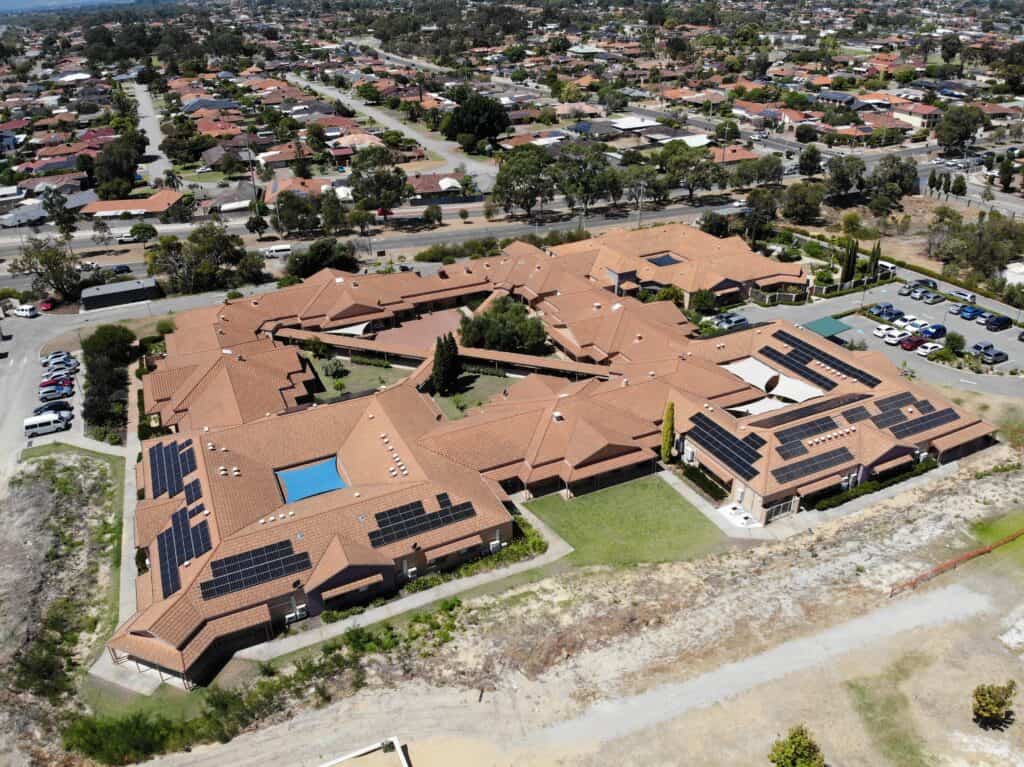
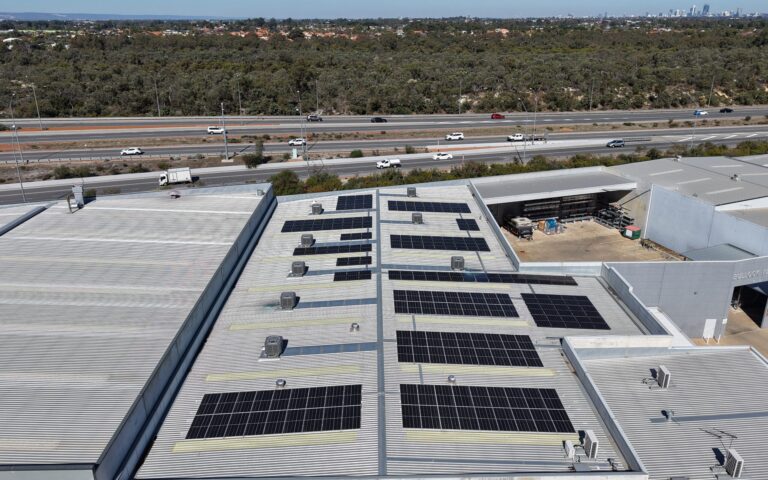
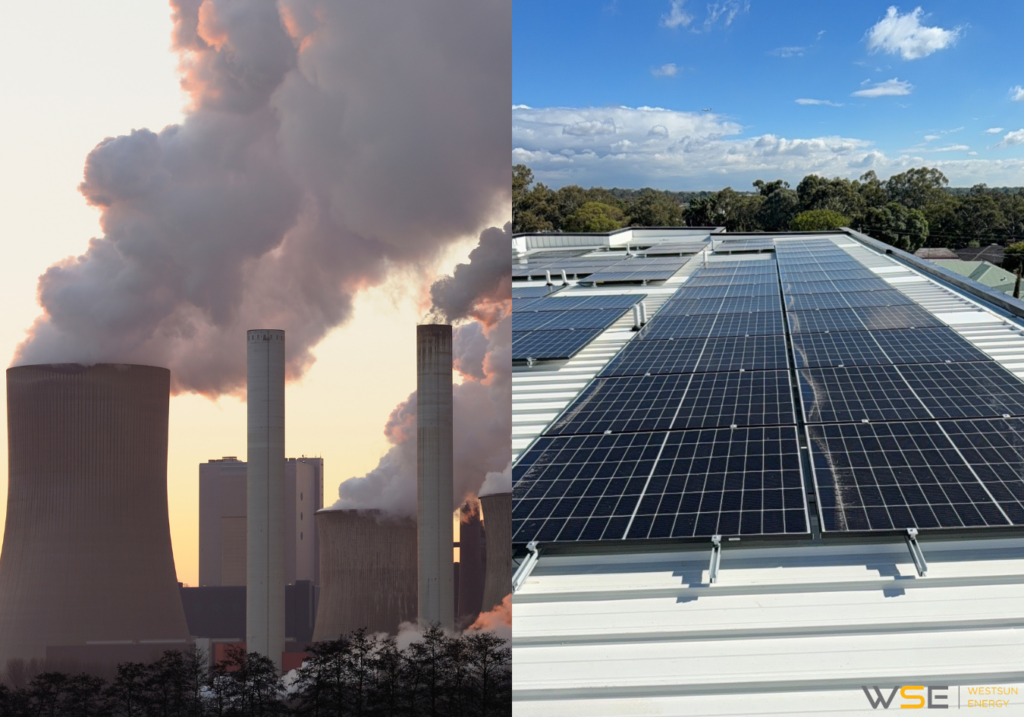
Warehouses, offices, shopping centres, industrial facilities and other commercial properties can have substantial roof areas that may otherwise provide little direct financial value.

Installing commercial solar creates the opportunity to generate electricity onsite during daylight hours.

For owner-occupied properties, that electricity can help offset electricity purchased from the grid.

For leased and multi-tenanted properties, the opportunity can be different.

Depending on the property’s electrical infrastructure, metering and commercial arrangements, building owners may be able to supply electricity generated onsite to tenants.

This can create a model where tenants access locally generated renewable electricity while the property owner derives value from the energy infrastructure installed on the building. This type of arrangement is increasingly being explored across commercial property.

Solar can become part of the property’s commercial strategy

Commercial solar doesn’t necessarily need to be viewed purely as a way to reduce an electricity bill.

For property owners, renewable energy infrastructure can become part of the wider strategy for the asset.

A well-designed system may provide opportunities to:

  • utilise otherwise unused roof space
  • generate electricity onsite
  • reduce exposure to grid-supplied electricity
  • provide tenants with access to renewable energy
  • support sustainability objectives
  • strengthen the property’s energy offering
  • potentially establish new commercial energy arrangements with tenants.

The appropriate model will depend heavily on the individual property, tenant structure and electricity arrangements.

Why tenants can benefit too

The opportunity isn’t solely for landlords.

Electricity is an ongoing operating cost for commercial tenants.

Where a property owner is able to provide onsite solar electricity to tenants under an appropriate commercial arrangement, tenants may be able to access electricity at a rate below standard retail tariffs while also increasing the proportion of renewable electricity used by their operations.

That creates the potential for an arrangement that delivers value on both sides.

For landlords competing for commercial tenants, energy infrastructure may also contribute to the overall attractiveness of a property, particularly for businesses focused on operating costs and sustainability objectives. EcoGeneration reports that these factors are increasingly influencing commercial occupiers.

Where does battery storage fit?

Battery energy storage adds another dimension.

Solar generation is naturally concentrated during daylight hours. If the building cannot use all of that electricity as it is generated, a battery may allow some excess energy to be stored for use later.

This can give property owners greater flexibility over how and when onsite-generated electricity is used.

But adding a battery should not be automatic.

The commercial case needs to consider the property’s load profile, solar generation, tariffs, tenant consumption, electrical infrastructure and the intended purpose of the battery.

For some properties, solar alone may provide the strongest commercial outcome. For others, integrating battery storage may create additional opportunities.

Multi-tenanted properties require careful planning

Supplying energy across a multi-tenanted property is more complex than installing solar on an owner-occupied building.

Before determining what is possible, consideration needs to be given to factors including:

  • existing metering arrangements
  • individual tenant consumption
  • common-area electricity usage
  • electrical infrastructure
  • solar generation profile
  • network requirements
  • billing and commercial arrangements
  • current and future tenant requirements
  • battery storage opportunities
  • regulatory requirements.

This is why the conversation should begin with the property and its energy requirements, not simply the number of solar panels that can fit on the roof.

A different way to think about commercial solar

The role of commercial solar is evolving.

For some property owners, the question is no longer simply:

“How much can solar reduce our electricity bill?”

It can also be:

“How can our property generate and use energy more effectively?”

That shift opens up a broader conversation around solar generation, battery storage, tenant energy supply and long-term property strategy.

Large commercial rooftops can represent significant unused space. With the right technical and commercial model, that space has the potential to become productive energy infrastructure.

Could your commercial property generate more value?

Every property is different.

Westsun Energy works with commercial property owners, developers and businesses to assess renewable energy opportunities based on the individual requirements of the site.

Our capabilities extend across feasibility, system design, project planning, procurement, construction and battery energy storage, allowing energy solutions to be considered as part of the broader commercial requirements of a property.

If you own or manage a commercial property and want to understand what solar and battery storage could look like for your site, contact Westsun Energy to discuss your options.

This article provides general information only. The financial, regulatory and technical suitability of solar generation, tenant energy supply and battery storage will depend on the individual property and proposed commercial arrangement. Independent legal, financial and regulatory advice may be required.

Speak With Westsun Energy

The proposed changes could make larger commercial solar systems more accessible than ever before.

If you’d like to understand how the expanded incentives may apply to your business, contact Westsun Energy to discuss a tailored commercial solar solution designed for long-term performance, reliability and value.

Contact Westsun Energy for a Commercial Solar Assessment in Perth or across Western Australia.
Read More

Commercial Solar Changes From 1 October 2026 | Westsun Energy

Commercial Solar Changes From 1 October 2026 | Westsun Energy

Commercial Solar Changes From 1 October 2026: What Australian Businesses Need to Know

A significant change to Australia’s solar incentive framework comes into effect on 1 October 2026, expanding access to upfront support for larger commercial solar systems.

The Small-scale Renewable Energy Scheme (SRES), which previously applied to eligible solar PV systems up to 100kW, is being expanded to include eligible systems above 100kW and up to 1MW. DCCEEW

For many commercial, industrial and agricultural businesses, this changes the financial equation when considering a larger solar installation.

What is changing on 1 October?

Until now, the 100kW threshold has created a significant divide between small-scale and larger commercial solar projects.

Eligible systems up to 100kW could access Small-scale Technology Certificates (STCs), which provide an upfront financial benefit under the SRES.

Larger systems operated under different arrangements.

From 1 October 2026, eligible solar PV systems above 100kW and no more than 1MW will also be able to participate in the SRES and create STCs. Clean Energy Regulator

In practical terms, this means considerably larger commercial solar projects may now qualify for an upfront financial incentive through STCs.

Why does this matter for commercial solar?

The change is particularly relevant to businesses with larger electricity requirements and sufficient space for systems exceeding 100kW.

This may include:

  • warehouses and logistics facilities
  • manufacturing and industrial sites
  • agricultural businesses and processing facilities
  • schools and educational facilities
  • hospitals and healthcare facilities
  • community organisations
  • larger commercial properties. DCCEEW

Previously, businesses considering a system larger than 100kW needed to assess the project under the large-scale renewable energy framework.

The expanded SRES provides a different pathway for eligible mid-scale projects, potentially improving the upfront commercial proposition for systems between 100kW and 1MW.

A fixed five-year deeming period

One of the important details of the new arrangements is how STCs will be calculated.

Eligible mid-scale systems between 100kW and 1MW will receive a fixed five-year deeming period. This differs from systems up to 100kW, where the STC deeming period continues to decline as the SRES approaches its scheduled end in 2030. Clean Energy Regulator

This fixed five-year period applies to eligible mid-scale systems each year through to 2030. DCCEEW

The actual value available to an individual project will depend on factors including system capacity, location, certificate creation and the applicable STC market value.

For this reason, businesses should assess the incentive as part of the complete commercial and technical feasibility of their project rather than relying on a headline rebate figure.

What systems will be eligible?

The expansion does not mean every commercial solar system below 1MW automatically qualifies.

For new installations, the maximum system size is 1MW. Where an existing solar power station or related solar PV systems are already located onsite, the total capacity must also remain within the applicable 1MW limit.

Projects must meet SRES requirements as well as relevant accreditation, electrical safety, planning, approval and network connection requirements. DCCEEW

This makes early project planning particularly important.

System size should be determined by the site’s energy requirements, available infrastructure, network conditions and commercial objectives, rather than simply designing a project around the maximum incentive available.

What if a project is already being planned?

Timing is particularly important for businesses currently considering or developing a commercial solar project.

The new rules apply to eligible systems installed from 1 October 2026. Clean Energy Regulator

However, there is an important administrative distinction.

The Clean Energy Regulator has advised that STC applications for mid-scale systems are expected to open in mid to late November 2026. Eligible systems installed on or after 1 October can apply once the application process opens. Clean Energy Regulator

Businesses do not necessarily need to wait until applications open before progressing an eligible installation, but the project must satisfy the applicable requirements.

STCs aren’t the only option

For systems between 100kW and 1MW, project owners will be able to choose between accessing the upfront benefit available through STCs or participating in the Renewable Electricity Guarantee of Origin (REGO) scheme and creating REGO certificates.

The Clean Energy Regulator advises participants to consider which pathway best suits their circumstances because choosing one may affect eligibility under the other. For example, a system receiving STCs cannot create REGO certificates during the applicable deeming period. Clean Energy Regulator

This is another reason larger commercial projects should be assessed individually rather than assuming the same approach is appropriate for every business.

What should businesses do now?

For businesses considering commercial solar between 100kW and 1MW, the October changes create an opportunity to reassess projects that may previously have been delayed or designed around the old 100kW threshold.

The starting point should still be a proper assessment of:

  • electricity consumption and load profile
  • available roof or ground space
  • existing electrical infrastructure
  • network connection requirements
  • appropriate system capacity
  • project costs and available incentives
  • expected energy generation
  • commercial objectives and project delivery model.

A larger incentive does not automatically mean a larger system is the right solution. Good commercial solar design starts with understanding the site and building the system around the business.

Planning a commercial solar project?

The expansion of the SRES represents a significant change for Australia’s mid-scale commercial solar market.

For businesses considering systems between 100kW and 1MW, projects installed from 1 October 2026 may now have access to an upfront STC benefit that was previously unavailable at this scale.

Westsun Energy works with commercial and industrial clients across the complete project lifecycle, including feasibility, system design, approvals, network requirements, procurement, construction and project delivery.

If your business is considering a commercial solar project, or you want to understand how the 1 October 2026 changes could affect a project already in planning, contact Westsun Energy to discuss your site and requirements.

Information in this article is general in nature and is current as at September 2026. Eligibility for Small-scale Technology Certificates is subject to the requirements of the Small-scale Renewable Energy Scheme and Clean Energy Regulator. Project-specific financial, technical and regulatory advice should be obtained before proceeding.

Official information: https://cer.gov.au/schemes/renewable-energy-target/small-scale-renewable-energy-scheme/small-scale-renewable-energy-systems/mid-scale-solar

Speak With Westsun Energy

The proposed changes could make larger commercial solar systems more accessible than ever before.

If you’d like to understand how the expanded incentives may apply to your business, contact Westsun Energy to discuss a tailored commercial solar solution designed for long-term performance, reliability and value.

Contact Westsun Energy for a Commercial Solar Assessment in Perth or across Western Australia.
Read More

What is a BESS Battery Energy Storage System?

What is a BESS Battery Energy Storage System?

Understanding BESS (Battery Energy Storage Systems)

Battery Energy Storage Systems (BESS) are becoming an increasingly important part of Australia’s renewable energy future. By storing electricity for use when it’s needed most, BESS technology helps businesses improve energy efficiency, reduce electricity costs and make better use of renewable energy generated from commercial solar systems.

Whether you’re exploring renewable energy for the first time or looking to optimise an existing commercial solar installation, understanding how a Battery Energy Storage System works is the first step towards building a more resilient and sustainable energy strategy.


What is a BESS Battery Energy Storage System?

A Battery Energy Storage System (BESS) is a technology that stores electrical energy in rechargeable batteries for later use. Rather than using electricity immediately as it is generated, a BESS allows excess energy to be stored and discharged when demand increases, electricity prices rise or renewable generation is unavailable.

For businesses with commercial solar, this means excess solar energy produced during the day can be stored instead of being exported back to the grid, providing greater control over when and how electricity is used.

Battery Energy Storage Systems can operate alongside renewable energy systems, the electricity grid or both, helping organisations improve energy reliability while supporting long-term sustainability goals.


How Does a Battery Energy Storage System Work?

A Battery Energy Storage System works by capturing electricity from one or more energy sources and storing it until it is needed.

For many commercial businesses, the BESS process looks like this:

  1. Commercial solar panels generate electricity throughout the day.
  2. Excess electricity that isn’t immediately required is stored within the battery system.
  3. When energy demand increases or solar generation decreases, the stored electricity is released to power the site.
  4. If required, the system can also draw power from the electricity grid to maintain supply.

Modern BESS solutions include intelligent energy management systems that automatically determine when to charge and discharge the battery to maximise efficiency and reduce operating costs.


Benefits of Battery Energy Storage Systems

Battery Energy Storage Systems offer a range of benefits for businesses seeking greater energy independence and improved operational efficiency.

Reduce Electricity Costs

Storing electricity when energy prices are lower or when solar generation is highest allows businesses to reduce reliance on expensive grid electricity during peak pricing periods.

Maximise Solar Energy

Rather than exporting excess solar energy back to the grid, businesses can store it for use later, increasing overall solar self-consumption.

Improve Energy Reliability

Battery storage provides additional energy security during grid disruptions and helps maintain operations when electricity supply becomes unreliable.

Support Sustainability Goals

By increasing the use of renewable energy and reducing dependence on fossil fuel-generated electricity, BESS technology helps organisations reduce carbon emissions and progress towards their ESG objectives.

Prepare for Future Energy Demand

As electricity markets evolve and energy demand grows, Battery Energy Storage Systems provide greater flexibility to adapt to changing operational requirements.


Who Can Benefit from a BESS?

Battery Energy Storage Systems are suitable for a wide range of commercial and industrial applications, particularly organisations with high daytime energy usage or existing renewable energy systems.

Industries that commonly benefit include:

Mining Operations

Farms & Agriculture

Warehousing & Logistics

Manufacturing

Apartments & Shared Living

Councils, Schools & Community Buildings

Commercial & Industrial Properties

Shopping Centres & Retail Precincts


BESS and Commercial Solar

Commercial solar and BESS Systems work together to create a more efficient energy solution.

Solar panels generate renewable electricity throughout the day, while the battery stores excess generation for later use. This combination helps businesses maximise renewable energy usage, reduce electricity costs and improve energy resilience.

For organisations seeking long-term energy certainty, combining commercial solar with battery storage provides a practical pathway towards greater energy independence.


Why Businesses Are Investing in BESS

Rising electricity costs, increasing sustainability expectations and greater focus on energy resilience are driving investment in Battery Energy Storage Systems across Australia.

Many organisations are now incorporating battery storage into broader renewable energy strategies to:

  • Reduce operational costs
  • Improve energy security
  • Support ESG initiatives
  • Increase renewable energy utilisation
  • Future-proof business operations

As battery technology continues to evolve, BESS is expected to play an increasingly important role in Australia’s transition towards cleaner and more reliable energy systems.


Explore Commercial Battery Energy Storage Solutions

If you’re considering battery storage for your business, Westsun Energy can help you design a solution tailored to your operational requirements, energy usage and long-term sustainability goals.

Whether you’re looking to integrate BESS with a commercial solar system or optimise an existing renewable energy investment, our experienced team can provide practical advice and end-to-end project delivery.

 
Learn About Our BESS System Offering Read More

Commercial Solar Just Became More Affordable for Australian Businesses | Westsun Energy

Commercial Solar Just Became More Affordable for Australian Businesses | Westsun Energy

Commercial Solar Just Became More Affordable for Australian Businesses

The Australian Government has announced a significant expansion of the Small-scale Renewable Energy Scheme (SRES), increasing the eligibility threshold for commercial solar systems from 100kW to 1MW. If implemented as announced, the changes are expected to commence on 1 October 2026, making it easier for many Australian businesses to access upfront financial incentives for larger rooftop solar projects.

For businesses considering commercial solar, this represents one of the most significant policy changes in recent years.


What Has Changed?

Until now, the SRES primarily supported residential installations and smaller commercial systems up to 100kW.

Under the proposed expansion, eligible commercial, industrial, agricultural and community buildings will be able to access the scheme for systems up to 1MW. According to the Federal Government, this is expected to reduce upfront installation costs by around 20%, with some larger projects potentially saving businesses hundreds of thousands of dollars.

The announcement recognises what Energy Minister Chris Bowen described as the “missing middle” in Australia’s renewable energy transition: the vast number of warehouses, factories, office buildings and agricultural facilities with large roof spaces that remain underutilised.


What Does This Mean for WA Businesses?

For businesses across Western Australia, the expanded incentive could significantly improve the financial return on commercial solar investments.

Organisations with larger facilities may now be able to install systems that better match their energy consumption, rather than limiting system size to meet previous incentive thresholds.

Businesses that may benefit include:

  • Manufacturing facilities
  • Warehouses and distribution centres
  • Shopping centres
  • Office buildings
  • Schools and education facilities
  • Agricultural operations
  • Healthcare facilities
  • Industrial sites

Combined with ongoing electricity price pressures, reducing the upfront cost of larger commercial solar systems may make investment decisions easier for many businesses.


Why Planning Early Matters

Although the expanded scheme is expected to begin in October, commercial solar projects require careful planning well before installation.

Every project typically involves:

  • Site inspections
  • Energy consumption analysis
  • Engineering and system design
  • Network applications and approvals
  • Equipment procurement
  • Installation scheduling

Beginning the planning process early helps ensure your business is well positioned to take advantage of available incentives once they become available.


Commercial Solar Is More Than Just Panels

A successful commercial solar project is built around the needs of your business.

At Westsun Energy, every system is designed to suit:

  • Your electricity consumption
  • Available roof space
  • Future business growth
  • Battery storage opportunities
  • Long-term operational performance

Using premium commercial equipment and experienced engineering, we deliver renewable energy solutions tailored to each client’s operational requirements.


How Westsun Energy Can Help

As a Western Australian commercial solar EPC provider, Westsun Energy designs and delivers commercial solar and battery storage systems for businesses across a wide range of industries.

From manufacturing facilities and warehouses to healthcare, education and government infrastructure, our experienced team manages projects from concept through to commissioning.

If your business has been considering commercial solar, the proposed expansion of the Small-scale Renewable Energy Scheme presents an opportunity to review what’s possible.

Speak With Westsun Energy

The proposed changes could make larger commercial solar systems more accessible than ever before.

If you’d like to understand how the expanded incentives may apply to your business, contact Westsun Energy to discuss a tailored commercial solar solution designed for long-term performance, reliability and value.

Contact Westsun Energy for a Commercial Solar Assessment in Perth or across Western Australia.

Sources: This article references the Australian Government’s announced expansion of the Small-scale Renewable Energy Scheme, as reported by ABC News and other Australian media on 4 August 2026.

  Read More

Why Winter Is the Best Time to Review Commercial Solar | Westsun Energy

Why Winter Is the Best Time to Review Commercial Solar | Westsun Energy

Why Winter Is the Best Time to Review Your Commercial Solar Strategy

For many Western Australian businesses, winter brings higher electricity consumption. Shorter days, increased heating requirements and changing operational demands can all contribute to rising energy bills.

Combined with the start of a new financial year, July is an ideal time to step back and review your energy strategy. Whether you’re considering commercial solar for the first time or looking to expand an existing system, planning now can position your business for long-term savings.

Rising Energy Costs Continue to Impact Businesses

Electricity remains one of the largest ongoing operating expenses for many commercial and industrial businesses.

Manufacturing facilities, warehouses, offices, schools, shopping centres and agricultural operations all rely on consistent power throughout the day. Even small improvements in energy efficiency can have a significant impact on annual operating costs.

Commercial solar allows businesses to generate their own electricity during peak operating hours, reducing reliance on the grid and helping create more predictable energy costs.

Winter Is the Perfect Time to Plan Ahead

Although solar generation is naturally lower during winter than summer, this makes it an excellent time to begin planning your project.

A commercial solar installation involves more than simply placing panels on a roof. Every project starts with understanding your energy usage, assessing the site and designing a system that suits your operational requirements.

By beginning the process during winter, businesses are well positioned to have systems operating before peak summer solar production arrives.

Every Business Has Different Energy Requirements

No two commercial sites consume electricity in the same way.

Factors such as operating hours, equipment loads, roof size and future growth all influence the ideal system design.

At Westsun Energy, every commercial solar project is engineered specifically for the client’s needs, ensuring the system delivers strong long-term performance rather than a one-size-fits-all solution.

Battery Storage Is Becoming an Important Consideration

Many businesses are also investigating commercial battery storage as part of their energy strategy.

Battery systems allow excess solar energy generated during the day to be stored and used later, increasing onsite energy utilisation and helping reduce dependence on grid electricity.

For facilities with extended operating hours or critical infrastructure requirements, battery storage can provide additional operational benefits alongside commercial solar.

Choosing the Right Commercial Solar Partner

Selecting the right EPC (Engineering, Procurement and Construction) partner is just as important as choosing the equipment itself.

An experienced commercial installer will consider:

  • Your current and future energy requirements.
  • Site constraints and engineering requirements.
  • Equipment quality and long-term reliability.
  • System performance and monitoring.
  • Installation quality and ongoing support.

A well-designed commercial solar system should continue delivering value for decades.

Partner with Westsun Energy

Westsun Energy specialises in designing and delivering commercial solar and battery storage systems across Western Australia.

From offices and warehouses to manufacturing facilities, government infrastructure and large industrial sites, our experienced team delivers tailored renewable energy solutions designed for long-term performance, reliability and value.

If you’re reviewing your energy costs this financial year, now is the ideal time to explore how commercial solar can support your business.

Contact Westsun Energy for a Commercial Solar Assessment in Perth or across Western Australia.
Read More

Why More WA Businesses Are Investing in Commercial Battery Storage | Westsun Energy

Why More WA Businesses Are Investing in Commercial Battery Storage | Westsun Energy

Why More WA Businesses Are Investing in Commercial Battery Storage

Commercial battery storage is becoming an increasingly important part of energy management for businesses across Perth and Western Australia.

While solar systems continue to deliver significant savings, battery storage allows businesses to maximise the value of their renewable energy generation, reduce reliance on the grid, and improve long-term energy resilience.

As electricity prices continue to rise and energy demands evolve, many organisations are now looking beyond solar alone and investing in integrated solar and battery solutions.

What Is Commercial Battery Storage?

Commercial battery storage systems allow businesses to store excess solar energy generated during the day for use later when solar production decreases.

Rather than exporting unused solar energy back to the grid, businesses can use stored energy to power their operations during peak periods, improving energy efficiency and reducing electricity costs.

Commercial battery systems can be tailored to suit a range of industries, including:

  • Manufacturing
  • Warehousing
  • Retail centres
  • Schools
  • Offices
  • Health facilities
  • Community organisations

Benefits of Commercial Battery Storage

Reduced Electricity Costs

Battery storage enables businesses to use more of the energy they generate, reducing the amount of electricity purchased from the grid.

This can help lower operating expenses and improve the return on investment from a commercial solar system.

Improved Energy Independence

Battery storage provides greater control over energy usage and helps reduce exposure to fluctuating electricity prices.

For many businesses, energy resilience has become a key consideration when planning long-term operations.

Maximising Solar Generation

Without battery storage, excess daytime solar generation is often exported to the grid.

Commercial battery systems allow businesses to capture this energy and use it when it is needed most.

Supporting Sustainability Goals

Integrated solar and battery systems help reduce carbon emissions and support environmental initiatives while improving operational efficiency.

Industries Benefiting From Commercial Battery Storage

Businesses across Western Australia are already adopting battery technology.

Recent Westsun Energy projects include:

Oceanique Luxury Apartments, Dawesville

  • 50.35kW solar system
  • 99.2kWh battery storage

Porta Craft, Forrestdale

  • 59.85kW solar system
  • 96.72kWh battery storage

Nunile WA Off-Grid Project

  • 18.05kW solar system
  • 48.36kWh battery storage

These projects demonstrate how battery storage is being successfully integrated into a wide range of applications across Perth and regional Western Australia.

Why Choose Westsun Energy?

Westsun Energy delivers commercial solar and battery systems throughout Perth and WA as a fully integrated EPC contractor.

Our services include:

  • Feasibility studies
  • System design and engineering
  • Grid compliance
  • Procurement of Tier 1 equipment
  • Construction management
  • Commissioning
  • Ongoing maintenance and optimisation

With experience delivering projects ranging from small commercial installations through to megawatt-scale systems, Westsun Energy provides tailored solutions designed for performance, reliability, and long-term value.

Future-Proof Your Business

As battery technology continues to evolve, commercial energy storage is becoming an important tool for businesses seeking to improve efficiency, reduce operating costs, and strengthen energy resilience.

If you’re considering commercial battery storage in Perth or anywhere across Western Australia, contact Westsun Energy to discuss a solution tailored to your business.

Contact Westsun Energy for a Commercial Solar Assessment in Perth or across Western Australia.

  Read More

Commercial Solar Western Australia | Transitioning Beyond Coal | Westsun Energy

Commercial Solar Western Australia | Transitioning Beyond Coal | Westsun Energy

Commercial Solar in Western Australia: Supporting the Transition Away from Coal

Western Australia’s Energy Transition

Western Australia is moving towards a major shift in energy generation, with state-owned coal-fired power stations scheduled to retire by the end of the decade.

As energy demand continues to grow across Perth WA and regional Western Australia, the transition to renewable energy will rely heavily on distributed generation and large-scale commercial solar installations.

For businesses, this presents both a challenge and an opportunity. Commercial solar is no longer simply a sustainability initiative — it is becoming a critical part of Western Australia’s future energy infrastructure.


The Role of Commercial Solar in the SWIS

The South West Interconnected System (SWIS) powers the majority of homes and businesses across south-west Western Australia.

As coal generation is phased out, embedded renewable energy generation will play an increasingly important role in maintaining network stability and reducing demand pressure during peak periods.

When businesses install commercial solar systems, they effectively become embedded generators within the energy network.

This decentralised energy model helps:

• Reduce daytime electricity demand
• Support renewable energy integration
• Lower carbon intensity across the grid
• Improve overall network resilience
• Reduce transmission losses across the SWIS

Learn more about our commercial solar solutions.


Why Large-Scale Commercial Solar Matters

Large-scale commercial solar installations across Perth WA and regional Western Australia are helping businesses reduce operating costs while contributing to broader energy reliability.

Commercial solar systems generate peak output during daylight hours, aligning directly with periods of highest commercial energy demand, particularly during summer.

For businesses, this provides:

Reduced Energy Costs

Commercial solar helps offset rising electricity prices and peak demand charges.

Greater Energy Certainty

Generating energy on-site improves long-term budgeting stability and reduces exposure to market volatility.

Improved ESG Outcomes

Reducing Scope 2 emissions supports sustainability targets and environmental reporting requirements.

Long-Term Infrastructure Value

Commercial solar systems are long-life assets engineered to deliver performance for decades.


Choosing the Right Commercial Solar Company in Perth WA

Selecting the right commercial solar company in Perth is critical to ensuring long-term performance, compliance, and return on investment.

Westsun Energy has built a strong reputation across Western Australia for delivering high-performance commercial solar systems at scale.

As a full-service Engineering, Procurement & Construction (EPC) contractor, Westsun Energy provides:

• Feasibility analysis and load modelling
• Detailed engineering and grid compliance
• Procurement of Tier 1 solar equipment
• Construction management
• System commissioning and verification
• Long-term maintenance and optimisation

View recent commercial solar projects across WA.


Commercial Solar as Critical Infrastructure in WA

Commercial solar is now a vital part of Western Australia’s long-term energy strategy.

As coal generation retires and electricity demand continues to increase, businesses investing in commercial solar are contributing to a more resilient and sustainable energy network.

This shift towards distributed renewable generation will continue to play a major role in supporting Perth WA and regional energy reliability for years to come.


Partner with Westsun Energy

Westsun Energy delivers commercial solar systems across Perth and regional Western Australia, engineered for performance, reliability, and long-term value.

Whether your business is exploring rooftop solar, large-scale commercial installations, or integrated battery storage solutions, our team can help develop a tailored energy strategy.

Contact Westsun Energy for a Commercial Solar Assessment in Perth or across Western Australia.

Read More

Reduce Business Energy Costs with Commercial Solar in WA

Reduce Business Energy Costs with Commercial Solar in WA

How Western Australian Businesses Can Reduce Energy Costs using Commercial Solar

Perth businesses typically save 30-50% on daytime electricity costs with commercial solar. Systems usually pay for themselves in 3-5 years, with 25+ year lifespan providing decades of reduced operating costs.

Blog Summary

Perth businesses that install commercial solar cut electricity costs by 30-50% and typically recover their investment within 3-5 years — after which a 25+ year system lifespan delivers decades of reduced operating costs and protection against rising grid prices.
The businesses that see the strongest returns are those with high daytime energy use:

  • Warehouses and distribution centres
  • Manufacturing and industrial facilities
  • Schools and educational institutions
  • Office buildings and commercial premises
  • Retail stores and shopping centres
  • Cold storage and food processing

Rising Energy Costs Across Western Australia

Western Australia’s climate presents unique energy challenges. Longer, hotter summers are driving increased electricity demand across Perth WA and regional areas, placing pressure on businesses through rising power costs and peak demand charges.

For many organisations, energy is now one of the most volatile operating expenses. Managing these costs has become a critical part of maintaining profitability and operational stability.

According to the Australian Energy Market Operator, demand across the South West Interconnected System (SWIS) continues to increase during extreme heat events, placing additional strain on infrastructure.


Commercial Solar as a Strategic Cost Solution

Commercial solar in Perth WA offers a practical and scalable solution for businesses looking to reduce their reliance on grid electricity.

Large-scale solar installations generate peak energy during daylight hours, aligning directly with periods of highest demand, particularly for cooling systems in commercial and industrial environments.

For businesses across Western Australia, commercial solar can:

• Reduce electricity costs
• Lower peak demand charges
• Improve energy budgeting certainty
• Reduce Scope 2 emissions
• Strengthen ESG performance

Commercial Solar Savings by Business Type (Perth WA)

Business Type Typical Size Annual Savings* Payback Period
Small Office 30-50kW $8,000-$15,000 4-5 years
Warehouse 100-200kW $25,000-$50,000 3-4 years
Manufacturing 200-500kW $50,000-$125,000 3-4 years
Retail Store 40-80kW $10,000-$20,000 4-5 years
School/Education 100-300kW $25,000-$75,000 3-5 years

Explore our commercial solutions. Distributed solar generation also supports grid stability by reducing demand on centralised energy infrastructure during peak periods.


The Role of Large-Scale Solar Installations in WA

Large-scale solar installations in WA are increasingly being adopted by commercial and industrial operators seeking long-term energy certainty.

Whether delivered through ownership models or Solar PPA structures, these systems provide predictable energy pricing and strong long-term return on investment.

Learn more about how large-scale systems are evolving globally via the International Energy Agency.

A well-designed system becomes a long-term asset, not just a cost-saving measure.


Why Businesses Choose a Commercial Solar Company in Perth

Choosing the right commercial solar company in Perth is critical to ensuring system performance and long-term reliability.

Westsun Energy is a leading provider of commercial solar in Western Australia, delivering full-service Engineering, Procurement & Construction (EPC) solutions.

Our approach includes:

• Engineering Excellence
• Tier 1 Procurement
• Professional Construction
• Ongoing Maintenance

View recent projects. This end-to-end EPC model ensures complete control across every stage of delivery.


Long-Term Value of Commercial Solar in Western Australia

Commercial solar systems are now a strategic investment for businesses across Perth WA and regional Western Australia.

They provide:

• Long-term cost stability
• Reduced exposure to energy price volatility
• Improved sustainability outcomes
• Increased asset value

As energy markets continue to shift, solar gives businesses greater control over operating costs.


Which Perth Businesses Benefit Most from Commercial Solar?

Commercial solar delivers strongest returns for:

  • High daytime energy users – Operations running 7am-5pm capture maximum solar generation
  • Demand charge exposure – Businesses paying peak demand penalties see fastest payback
  • Long-term facility owners – Owner-occupied buildings capture full 25+ year system value
  • Stable operations – Businesses planning 5+ years at current location maximize ROI
  • Large roof space – Warehouses, factories, and big-box retail suit large installations

Regional WA considerations: Businesses in Geraldton, Bunbury, Albany, and Kalgoorlie often see even better returns due to higher regional electricity costs and excellent solar resources.


Get Started with Commercial Solar

If your business is looking to reduce electricity costs and improve energy efficiency, now is the time to explore commercial solar solutions.

Contact Westsun Energy for a Commercial Solar Assessment in Perth or across Western Australia.


Frequently Asked Questions About Commercial Solar in Perth WA

How much can a business save with commercial solar in Perth?

Perth businesses typically save 30-50% on daytime electricity costs, depending on system size and energy consumption patterns. A 100kW system can save $15,000-$25,000 annually based on current electricity rates. Actual savings depend on your business’s load profile, with highest returns for operations running during peak sun hours (9am-3pm).

What is the cost of a commercial solar system in Perth WA?

Commercial solar systems in Perth typically cost $800-$1,200 per kW installed. A standard 100kW system ranges from $80,000-$120,000 before incentives. Costs vary based on roof complexity, electrical upgrades, and equipment tier. Government incentives and accelerated depreciation can reduce effective costs by 30-40%.

How long does it take for commercial solar to pay for itself?

Commercial solar systems in Western Australia typically achieve payback in 3-5 years for businesses with strong daytime loads. Manufacturing and warehouse facilities often see faster returns (3-4 years), while businesses with lower daytime consumption may take 5-6 years. After payback, systems continue generating savings for 20+ additional years.

Is commercial solar worth it for businesses in Western Australia

Yes, particularly for businesses with daytime operations. Commercial solar is most valuable for: warehouses, manufacturers, schools, offices, retail stores, cold storage facilities, and hospitality venues. The combination of high Perth sun exposure, rising electricity costs, and improving technology makes commercial solar a strong investment for most WA businesses?

What are the long-term savings of installing solar panels for a business?

Over a 25-year system lifespan, Perth businesses typically save $300,000-$500,000 on a 100kW system. Long-term benefits include: locked-in energy costs, protection from grid price increases (historically 4-6% annually), reduced peak demand charges, and improved property values. Systems often operate effectively for 30+ years with proper maintenance.

What size commercial solar system does my business need?

System size depends on your daytime electricity consumption. Most Perth businesses benefit from systems sized at 50-70% of their daytime peak demand. A typical small business (30-50kW usage) suits a 30-40kW system, while warehouses and manufacturers may need 100-500kW+. We recommend a detailed energy audit to optimize sizing.

Do commercial solar panels work during cloudy Perth days?

Yes. Perth’s high annual sunshine (3,200+ hours) means commercial solar systems maintain strong performance year-round. Even on cloudy days, systems generate 20-40% of peak output. Perth’s climate is one of Australia’s best for solar, with consistent generation patterns ideal for business budgeting.

What maintenance do commercial solar systems require?

Commercial solar systems require minimal maintenance: annual inspections, panel cleaning 1-2 times yearly (more in dusty regional WA areas), and inverter monitoring. Inverters typically need replacement after 10-15 years. Most Tier 1 panels carry 25-year performance warranties, ensuring long-term reliability. Read More

Commercial Solar in Perth WA | Supporting Grid Stability

Commercial Solar in Perth WA | Supporting Grid Stability

Blog Summary

Commercial solar in Perth WA stabilizes the SWIS grid by generating peak power during high-demand periods (especially 40°+ heat days), reducing strain on coal-fired stations, and providing distributed generation across the network. Large commercial installations help balance supply during extreme weather events when WA’s isolated grid cannot import interstate power.

How Commercial Solar in Perth WA Supports Grid Stability and Energy Security

Western Australia operates one of the most unique electricity networks in the world. The South West Interconnected System (SWIS) runs in isolation, meaning WA cannot rely on interstate electricity imports during peak demand or emergency events.

As extreme heat events become more frequent across Perth and regional Western Australia, maintaining grid stability is becoming increasingly complex. At the same time, the state is transitioning away from coal-fired power stations such as Muja and Collie, increasing the importance of renewable and distributed energy generation.

In this environment, commercial solar in Western Australia is no longer just a sustainability initiative — it is critical infrastructure helping stabilise the grid.

Why WA’s Isolated Grid Makes Commercial Solar Critical

The SWIS network challenge

  • 7,000+ km of transmission lines serving 1.1 million customers
  • Complete isolation from National Electricity Market (no interstate imports)
  • Peak demand growing 2-3% annually driven by population growth and climate change
  • Ageing coal infrastructure progressively retiring (Muja C closed in 2025, Collie units closing 2027-2030)
  • Extreme weather events creating demand spikes exceeding network planning assumptions

The distributed generation solution:

Commercial solar provides grid-scale renewable generation without requiring new transmission infrastructure. Unlike large remote solar farms that need costly transmission upgrades, commercial rooftop solar generates electricity where it’s consumed—in Perth’s industrial and commercial zones.

This distributed model reduces:

  • Transmission losses (5-10% energy loss avoided)
  • Substation upgrade requirements
  • Network congestion during peak periods
  • System-wide voltage fluctuations

For Western Australia’s isolated grid, every commercial solar installation strengthens network resilience.

The Rise of Commercial Solar in WA

Across Perth’s industrial estates, logistics hubs, manufacturing facilities, schools and shopping centres, large-scale commercial solar installations are accelerating.

On 40+ degree days in Perth WA, electricity demand spikes due to air conditioning loads. Commercial solar systems generate peak output during the middle of the day, helping to:

  • Reduce strain on the SWIS network
  • Lower peak demand pressures
  • Reduce reliance on ageing coal-fired generation
  • Improve local voltage stability
  • Decrease wholesale electricity volatility

Every megawatt of commercial solar installed across Western Australia contributes to strengthening the network during extreme weather.

Westsun Energy’s Role in Supporting WA’s Grid

Westsun Energy has built a strong reputation as a leading commercial solar company in Perth WA, delivering engineered large-scale solar installations designed for long-term performance and grid compliance.

Full-Service EPC Delivery

Engineering & Design:

  • Detailed electrical engineering compliant with Western Power technical requirements
  • Energy modelling aligned to WA network conditions and SWIS demand profiles
  • System sizing optimized for daytime peak offset
  • Voltage rise mitigation and power quality engineering

Procurement:

  • Tier 1 solar panels with 25+ year performance warranties
  • Grid-compliant inverters meeting Western Power specifications
  • Australian Standards certified electrical components

Construction & Commissioning:

  • Professional installation by Clean Energy Council accredited teams
  • Western Power connection applications and approvals
  • Network protection testing and commissioning
  • SWIS grid code compliance verification

Ongoing Support:

  • Real-time system monitoring and performance tracking
  • Preventative maintenance programs
  • Grid performance optimization
  • Western Power compliance management

Our experience delivering complex commercial solar projects across Western Australia ensures systems are engineered for durability, safety and maximum energy yield.

Support WA’s Grid While Reducing Energy Costs

Commercial solar delivers dual benefits: strengthening Perth’s electricity network while reducing your business’s operating costs.

Is your business suitable for commercial solar?

  • Daytime operations (7am-5pm)
  • High electricity consumption
  • Suitable roof space or land
  • Located in SWIS network area (Perth to Kalbarri, across to Kalgoorlie)

Contact Westsun Energy for a Commercial Solar Assessment in Perth or across Western Australia.

Frequently Asked Questions About Commercial Solar and Grid Stability in WA

How does commercial solar help grid stability in Perth?

Commercial solar systems generate maximum output during midday peak demand periods (10am-3pm), directly offsetting grid load when air conditioning drives consumption highest. By distributing generation across thousands of commercial rooftops, solar reduces transmission losses, improves local voltage stability, and decreases reliance on centralised coal-fired power stations during extreme heat events.

Why is grid stability important in Western Australia?

WA’s SWIS network operates in complete isolation from the National Electricity Market. Unlike eastern states, Western Australia cannot import electricity during emergencies or peak demand events. This makes local generation capacity and distributed energy resources like commercial solar critical for maintaining reliable supply during extreme weather.

What happens to Perth’s grid during extreme heat events?

On 40°+ degree days, Perth’s electricity demand can spike by 30-40% due to air conditioning loads. These extreme peaks stress ageing infrastructure and increase reliance on expensive peaking power stations. Commercial solar systems across Perth generate maximum output during these exact periods, providing critical grid support when it’s needed most.

How does commercial solar reduce strain on coal power stations?

As WA transitions away from coal-fired generation (Muja and Collie stations closing progressively), commercial solar provides distributed renewable generation that reduces daytime reliance on these ageing assets. Every megawatt of commercial solar installed decreases the need for coal-fired output during peak solar hours, accelerating WA’s energy transition while maintaining grid reliability.

Can commercial solar work during grid outages?

Standard grid-connected commercial solar systems shut down during outages for safety reasons. However, businesses can add battery storage or hybrid systems with islanding capability to maintain power during grid disruptions. This provides both grid support during normal operation and energy security during emergencies.

What size commercial solar system helps the grid most?

All commercial solar installations contribute to grid stability, but larger systems (100kW+) on high-demand facilities like warehouses, manufacturers, and shopping centres provide the greatest impact. These installations offset significant daytime loads, reduce peak demand on substations, and improve local network voltage stability.

Does Western Power support commercial solar installations?

Yes. Western Power actively supports commercial solar through streamlined connection processes and has upgraded network infrastructure to accommodate distributed generation. Systems must meet Western Power’s technical requirements and receive network approval before commissioning, ensuring they contribute positively to grid stability rather than creating issues.

How does distributed solar improve Perth’s electricity network?

Distributed commercial solar across Perth reduces transmission losses (electricity travels shorter distances from generation to consumption), decreases substation loading during peak periods, improves local voltage regulation, and provides redundancy across the network. This distributed model is more resilient than relying solely on large, centralised power stations. Read More

Solar Incentives for WA Businesses in 2025

Solar Incentives for WA Businesses in 2025

Page Highlights

  • Discover the Small-scale Renewable Energy Scheme (SRES) and WA’s Cheaper Home Batteries Program
  • Learn how commercial solar rebates can reduce costs for your business
  • Explore current solar panel and battery incentives at both federal and state levels
  • FAQs covering eligibility, rebate amounts, and how to claim your benefit

Why Now Is the Ideal Time for WA Businesses to Invest in Solar

As energy prices rise and sustainability becomes a business imperative; solar power continues to be a smart investment for small businesses in Western Australia. Fortunately, there are several solar rebates and incentives available to ease the upfront costs of solar panels and battery storage systems.

In this post, we break down the major government initiatives that support solar uptake in WA, including the federal Small-scale Renewable Energy Scheme (SRES) and newly announced Cheaper Home Batteries Program which comes into effect 1 July 2025.

We’ll also answer common questions about solar battery rebates WA businesses are eligible for in 2025.

Small-scale Renewable Energy Scheme (SRES)

What is SRES?

As a trusted name in commercial solar installations across Western Australia, Westsun Energy works closely with business owners, project managers, and facility operators to develop customised solar solutions. Our systems are engineered to suit your unique energy demands and are backed by premium components, detailed monitoring, and professional aftercare.

The Small-scale Renewable Energy Scheme is a federal program that provides financial incentives for eligible solar PV systems, wind turbines, hydro systems, and solar water heaters. For solar installations, the benefit comes in the form of Small-scale Technology Certificates (STCs), which represent the clean energy your system is expected to produce.

Under SRES, small businesses can effectively receive a point-of-sale discount when purchasing an eligible system from an accredited provider. This incentive can reduce the system cost by thousands of dollars, depending on:

  • System size (up to 100 kW)
  • Installation date
  • Location (zones with higher sunlight hours generate more STCs)

How Westsun Makes It Easy

As a CEC-accredited provider, Westsun simplifies the process of claiming your SRES rebate by applying the STC discount at the point of sale. This can shave thousands off the total cost, depending on your system’s size and location.

We take care of all the admin, ensuring you get the maximum rebate you’re entitled to, without the stress.

Consult with Us

The Cheaper Home Batteries Program

What is it and does it extend to business owners?

Launching on 1 July 2025, the Australian Government’s $2.3 billion Cheaper Home Batteries Program extends the SRES to include battery systems up to 100 kWh capacity. As a small business you can claim a 30% upfront discount (circa $372 per kWh for 2025) on the first 50 kWh of usable battery capacity.
Eligibility criteria:

  • Install a CEC-approved, VPP-capable battery
  • Use a Solar Accreditation Australia (SAA) accredited installer
  • Battery size: 5–100 kWh, with rebate applied per usable kWh

WA State Top-up

WA adds its own rebate via the Residential Battery Scheme, offering state funding on top of the federal rebate:

  • Synergy zones: $130/kWh (up to $1,300)
  • Horizon Power zones: $380/kWh (up to $3,800)
    Combine these with the federal rebate to receive up to $5,000–7,500 per installation in WA

Consult with Us

Looking Beyond Solar Rebates

While SRES and WA’s battery scheme are the major programs, businesses may also be able to benefit from:

  • Instant Asset Write-Off for eligible energy-efficient assets such as solar panels, batteries, and inverters. This allows you to claim the full cost as a tax deduction in the same financial year
  • State-based energy efficiency grants, which are sometimes offered by WA Government departments or industry-specific bodies to support upgrades in manufacturing, agriculture, and commercial premises
  • Opportunities to join Virtual Power Plant (VPP) networks
    This is a coordinated network of solar, battery, and smart energy systems that participate in the electricity market, typically earning revenue during peak demand, frequency control, and grid support events. Businesses joining a VPP can earn ongoing income, often hundreds per year by releasing stored energy back to the grid or providing services to network operators.

Maximise your Solar Rebate by reaching out to Westsun Energy Today

Our team works closely with each client to identify which of these programs they qualify for, handle the necessary applications, and design compliant systems that unlock every layer of available support.

At Westsun, our goal is to make it easy for your business to maximise savings and long-term return from your solar investment. To get started, get in touch with our team on (08) 9303 9810 or get a quote online today.

Consult with Us


Frequently Asked Questions (FAQ)

Does WA offer rebates for solar panels or battery systems?

  • Solar panels – WA doesn’t offer state-level solar panel rebates but WA businesses benefit from the federal Small-scale Renewable Energy Scheme (SRES). Under this scheme, Clean Energy Council (CEC) accredited installers like Westsun apply Small-scale Technology Certificates (STCs) as upfront savings, reducing system costs by around 20–30%.
  • Batteries – For battery storage, WA businesses also have access to the federal Cheaper Home Batteries Program and the WA Residential Battery Scheme, which together can deliver up to $5,000–7,500 in savings for businesses.

Who qualifies for the WA $5,000–$7,500 battery rebate?

Businesses in Synergy postcodes can receive up to $5,000, while those in Horizon Power areas may get up to $7,500 when combining federal and state rebates

Requirements include:

  • Installation on or after 1 July 2025
  • Approved VPP ready battery system
  • Business must be in an eligible postcode
  • Battery installations require VPP enrolment

Can businesses claim Federal and WA rebates together for solar and batteries?

Absolutely. Businesses can stack the federal SRES solar rebate, the federal Cheaper Home Batteries rebate, and the state WA battery top-up rebate for combined savings. This integrated incentive model applies to both new solar battery systems and battery additions to existing solar installations. Read More