

Blog Summary
Commercial solar in Perth WA stabilizes the SWIS grid by generating peak power during high-demand periods (especially 40°+ heat days), reducing strain on coal-fired stations, and providing distributed generation across the network. Large commercial installations help balance supply during extreme weather events when WA’s isolated grid cannot import interstate power.
How Commercial Solar in Perth WA Supports Grid Stability and Energy Security
Western Australia operates one of the most unique electricity networks in the world. The South West Interconnected System (SWIS) runs in isolation, meaning WA cannot rely on interstate electricity imports during peak demand or emergency events.
As extreme heat events become more frequent across Perth and regional Western Australia, maintaining grid stability is becoming increasingly complex. At the same time, the state is transitioning away from coal-fired power stations such as Muja and Collie, increasing the importance of renewable and distributed energy generation.
In this environment, commercial solar in Western Australia is no longer just a sustainability initiative — it is critical infrastructure helping stabilise the grid.
Why WA’s Isolated Grid Makes Commercial Solar Critical
The SWIS network challenge
- 7,000+ km of transmission lines serving 1.1 million customers
- Complete isolation from National Electricity Market (no interstate imports)
- Peak demand growing 2-3% annually driven by population growth and climate change
- Ageing coal infrastructure progressively retiring (Muja C closed in 2025, Collie units closing 2027-2030)
- Extreme weather events creating demand spikes exceeding network planning assumptions
The distributed generation solution:
Commercial solar provides grid-scale renewable generation without requiring new transmission infrastructure. Unlike large remote solar farms that need costly transmission upgrades, commercial rooftop solar generates electricity where it’s consumed—in Perth’s industrial and commercial zones.
This distributed model reduces:
- Transmission losses (5-10% energy loss avoided)
- Substation upgrade requirements
- Network congestion during peak periods
- System-wide voltage fluctuations
For Western Australia’s isolated grid, every commercial solar installation strengthens network resilience.
The Rise of Commercial Solar in WA
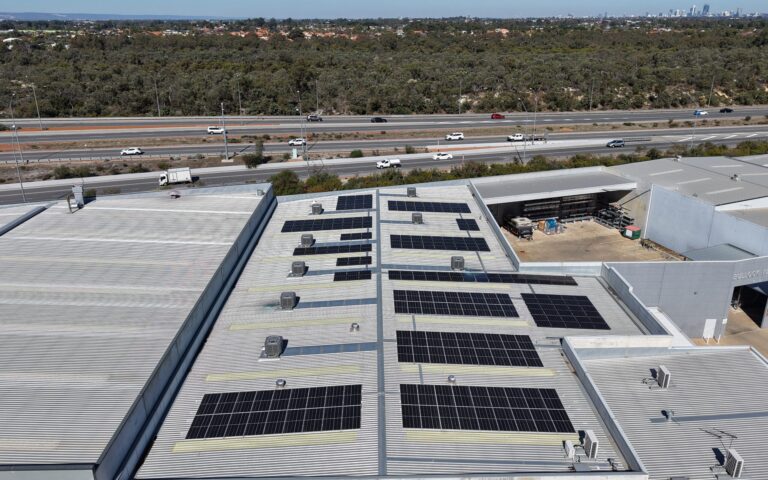
Across Perth’s industrial estates, logistics hubs, manufacturing facilities, schools and shopping centres, large-scale commercial solar installations are accelerating.
On 40+ degree days in Perth WA, electricity demand spikes due to air conditioning loads. Commercial solar systems generate peak output during the middle of the day, helping to:
- Reduce strain on the SWIS network
- Lower peak demand pressures
- Reduce reliance on ageing coal-fired generation
- Improve local voltage stability
- Decrease wholesale electricity volatility
Every megawatt of commercial solar installed across Western Australia contributes to strengthening the network during extreme weather.
Westsun Energy’s Role in Supporting WA’s Grid
Westsun Energy has built a strong reputation as a leading commercial solar company in Perth WA, delivering engineered large-scale solar installations designed for long-term performance and grid compliance.
Full-Service EPC Delivery
Engineering & Design:
- Detailed electrical engineering compliant with Western Power technical requirements
- Energy modelling aligned to WA network conditions and SWIS demand profiles
- System sizing optimized for daytime peak offset
- Voltage rise mitigation and power quality engineering
Procurement:
- Tier 1 solar panels with 25+ year performance warranties
- Grid-compliant inverters meeting Western Power specifications
- Australian Standards certified electrical components
Construction & Commissioning:
- Professional installation by Clean Energy Council accredited teams
- Western Power connection applications and approvals
- Network protection testing and commissioning
- SWIS grid code compliance verification
Ongoing Support:
- Real-time system monitoring and performance tracking
- Preventative maintenance programs
- Grid performance optimization
- Western Power compliance management
Our experience delivering complex commercial solar projects across Western Australia ensures systems are engineered for durability, safety and maximum energy yield.
Support WA’s Grid While Reducing Energy Costs
Commercial solar delivers dual benefits: strengthening Perth’s electricity network while reducing your business’s operating costs.
Is your business suitable for commercial solar?
- Daytime operations (7am-5pm)
- High electricity consumption
- Suitable roof space or land
- Located in SWIS network area (Perth to Kalbarri, across to Kalgoorlie)
Contact Westsun Energy for a Commercial Solar Assessment in Perth or across Western Australia.

Frequently Asked Questions About Commercial Solar and Grid Stability in WA
How does commercial solar help grid stability in Perth?
Commercial solar systems generate maximum output during midday peak demand periods (10am-3pm), directly offsetting grid load when air conditioning drives consumption highest. By distributing generation across thousands of commercial rooftops, solar reduces transmission losses, improves local voltage stability, and decreases reliance on centralised coal-fired power stations during extreme heat events.
Why is grid stability important in Western Australia?
WA’s SWIS network operates in complete isolation from the National Electricity Market. Unlike eastern states, Western Australia cannot import electricity during emergencies or peak demand events. This makes local generation capacity and distributed energy resources like commercial solar critical for maintaining reliable supply during extreme weather.
What happens to Perth’s grid during extreme heat events?
On 40°+ degree days, Perth’s electricity demand can spike by 30-40% due to air conditioning loads. These extreme peaks stress ageing infrastructure and increase reliance on expensive peaking power stations. Commercial solar systems across Perth generate maximum output during these exact periods, providing critical grid support when it’s needed most.
How does commercial solar reduce strain on coal power stations?
As WA transitions away from coal-fired generation (Muja and Collie stations closing progressively), commercial solar provides distributed renewable generation that reduces daytime reliance on these ageing assets. Every megawatt of commercial solar installed decreases the need for coal-fired output during peak solar hours, accelerating WA’s energy transition while maintaining grid reliability.
Can commercial solar work during grid outages?
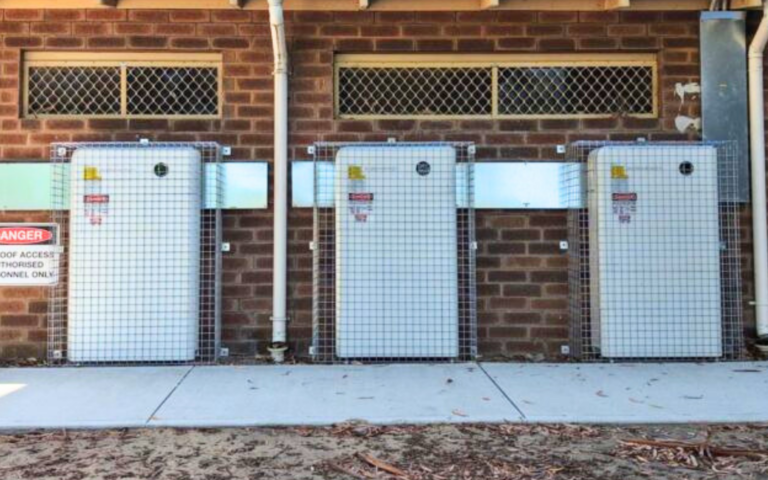
Standard grid-connected commercial solar systems shut down during outages for safety reasons. However, businesses can add battery storage or hybrid systems with islanding capability to maintain power during grid disruptions. This provides both grid support during normal operation and energy security during emergencies.
What size commercial solar system helps the grid most?
All commercial solar installations contribute to grid stability, but larger systems (100kW+) on high-demand facilities like warehouses, manufacturers, and shopping centres provide the greatest impact. These installations offset significant daytime loads, reduce peak demand on substations, and improve local network voltage stability.
Does Western Power support commercial solar installations?
Yes. Western Power actively supports commercial solar through streamlined connection processes and has upgraded network infrastructure to accommodate distributed generation. Systems must meet Western Power’s technical requirements and receive network approval before commissioning, ensuring they contribute positively to grid stability rather than creating issues.
How does distributed solar improve Perth’s electricity network?
Distributed commercial solar across Perth reduces transmission losses (electricity travels shorter distances from generation to consumption), decreases substation loading during peak periods, improves local voltage regulation, and provides redundancy across the network. This distributed model is more resilient than relying solely on large, centralised power stations.