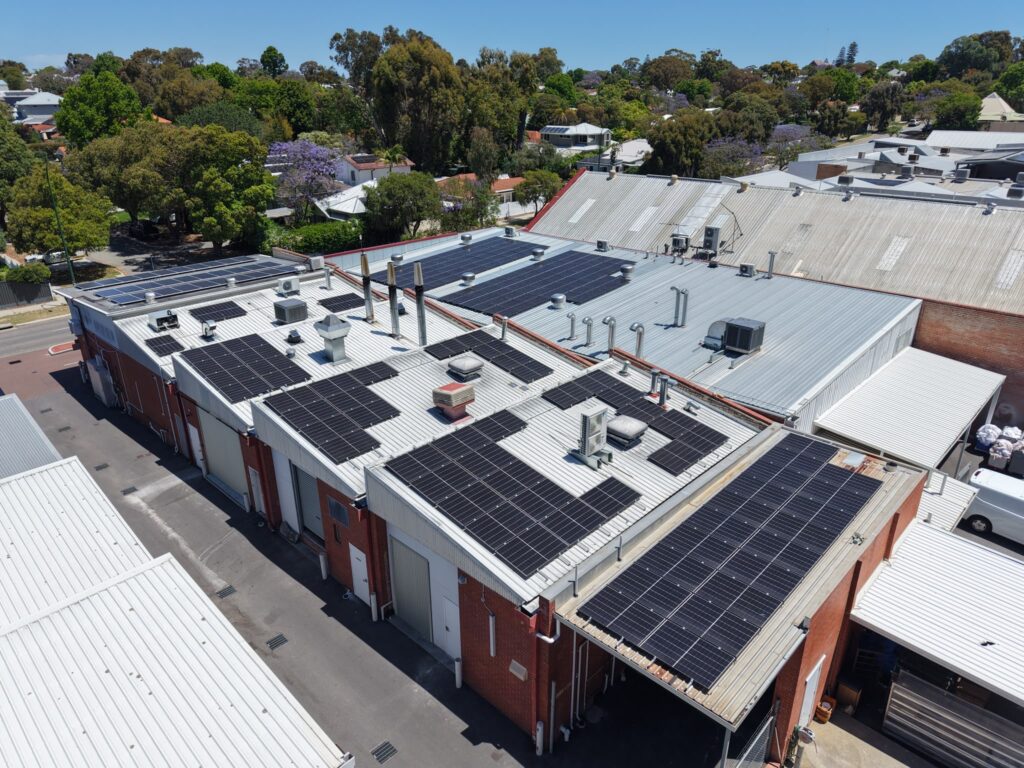
Planning a Commercial Solar Project in 2027? Why Now Is the Time to Start
As 2026 draws to a close, many Western Australian businesses are reviewing their operating costs, capital expenditure and priorities for the year ahead.
For businesses considering commercial solar or battery storage in 2027, November is an ideal opportunity to begin the planning process.
While the installation itself may take place months down the track, successful commercial renewable energy projects involve considerably more than installing panels on a rooftop. Site assessments, engineering, system design, grid connection requirements and procurement all play an important role in achieving the right outcome.
At Westsun Energy, we work with commercial and industrial businesses to develop renewable energy solutions tailored to their facilities, energy consumption and long-term objectives.
Here’s what businesses should consider when planning a commercial solar project for 2027.
1. Start by Understanding Your Business’s Energy Consumption
Before determining the size of a commercial solar system, it’s important to understand how and when your business uses electricity.
Two businesses with similar-sized premises can have very different energy requirements depending on their operating hours, equipment and daily activities.
For example, a manufacturing facility operating machinery throughout the day may have a different electricity consumption profile to a warehouse with limited daytime activity.
A detailed review of your electricity usage can help identify:
- Daily and seasonal consumption patterns.
- Peak electricity demand periods.
- Opportunities to use solar electricity directly onsite.
- Potential benefits of battery energy storage.
- Areas where energy efficiency improvements may be worthwhile.
Understanding these factors allows a solar system to be designed around actual operational requirements rather than simply maximising the number of panels installed.
2. Allow Time for Site Assessments and Engineering
Commercial solar projects require careful consideration of the existing building and electrical infrastructure.
Before installation, assessments may be needed to determine the suitability of the site and identify any technical constraints.
Depending on the project, this can include:
- Available rooftop or ground-mounted installation space.
- Roof condition and structural capacity.
- Shading and solar exposure.
- Existing electrical infrastructure and switchboards.
- Network connection and export requirements.
- Access, safety and installation logistics.
For larger commercial and industrial installations, engineering and design requirements can be particularly important.
Identifying potential constraints early helps businesses make informed decisions about system capacity, project scope and budget.
3. Consider Whether Battery Storage Makes Sense
Commercial battery storage is becoming an increasingly important consideration for businesses exploring renewable energy investment.
However, a battery isn’t automatically the right addition to every solar installation.
Its suitability depends on factors such as electricity consumption patterns, tariff structures, peak demand, available solar generation and the business’s operational objectives.
For some businesses, battery storage may provide opportunities to:
- Store excess solar electricity for later use.
- Reduce grid electricity consumption outside solar generation hours.
- Manage peak demand charges, where applicable.
- Improve energy cost management.
- Support selected backup power requirements, where specifically designed and configured to do so.
Businesses considering solar in 2027 should assess whether a solar-only installation, battery storage or an integrated solution offers the most appropriate long-term value.
4. Factor Project Planning Into Your 2027 Budget
Commercial solar is a capital investment, and understanding the full project scope is essential when preparing budgets.
Beyond the solar panels and inverters, project costs can be influenced by engineering requirements, electrical infrastructure upgrades, mounting systems, access arrangements and grid connection conditions.
Businesses should also consider:
- Available capital expenditure budgets.
- Financing or funding arrangements.
- Expected electricity generation and onsite consumption.
- Ongoing maintenance requirements.
- Equipment warranties and expected operating life.
- Financial modelling and projected return on investment.
A well-developed project proposal should provide a clear understanding of the proposed system, installation scope and anticipated financial benefits.
Importantly, savings and payback estimates should be based on site-specific information and realistic assumptions rather than generic industry figures.
5. Understand the Commercial Solar Project Timeline
One of the most common misconceptions about commercial solar is that installation is the main component of the project.
In reality, the work begins well before equipment arrives onsite.
Depending on the size and complexity of the installation, a commercial solar project may involve several stages:
Initial Consultation and Feasibility
Understanding the business’s objectives, electricity consumption and site requirements.
Engineering and System Design
Developing a solar solution that considers available space, electrical infrastructure and expected energy performance.
Approvals and Procurement
Addressing relevant network requirements, finalising equipment selections and coordinating project resources.
Construction and Installation
Completing the physical installation in accordance with the agreed scope and applicable safety requirements.
Testing, Commissioning and Handover
Verifying system operation, completing relevant documentation and preparing the installation for ongoing use.
Project timeframes vary depending on site conditions, approvals, equipment availability and installation complexity.
Starting discussions early provides more time to work through these requirements before committing to a construction schedule.
6. Choose an Experienced Commercial Solar EPC Partner
Commercial and industrial solar installations require coordination across multiple technical disciplines.
Working with an experienced Engineering, Procurement and Construction (EPC) provider can help businesses manage these requirements through a coordinated project delivery approach.
An EPC contractor can bring together the engineering, equipment procurement, construction and commissioning elements of a renewable energy project.
When evaluating potential providers, businesses should consider:
- Experience delivering commercial and industrial solar projects.
- Relevant engineering and technical capabilities.
- Project management and construction experience.
- Safety and quality management systems.
- Experience with battery storage and other energy technologies.
- Previous projects of a comparable scale and complexity.
Established in 2011, Westsun Energy is a Western Australian commercial renewable energy provider with experience delivering solar and battery solutions across a range of industries.
Our integrated EPC capabilities allow us to support businesses throughout the project delivery process, with a focus on technical quality, safety and long-term project value.
Make 2027 the Year You Take Control of Your Energy Strategy
As businesses prepare their plans for the new year, commercial solar and battery storage present opportunities to review energy expenditure and consider longer-term energy management strategies.
The most effective projects begin with a clear understanding of the business’s requirements, realistic financial expectations and a carefully considered system design.
Whether you’re exploring commercial solar for the first time, considering battery storage or planning renewable energy upgrades across multiple facilities, early engagement can help establish a clear pathway forward.
Planning a commercial solar or battery project for 2027?
Contact Westsun Energy to discuss your organisation’s energy requirements and explore a coordinated approach to renewable energy investment.