Turning Commercial Rooftops Into an Energy Asset
For many commercial property owners, the roof has traditionally served one purpose: protecting the building below.
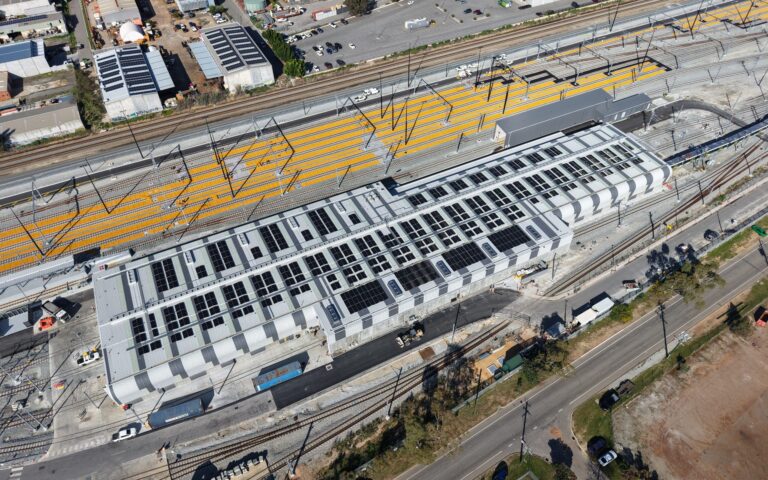
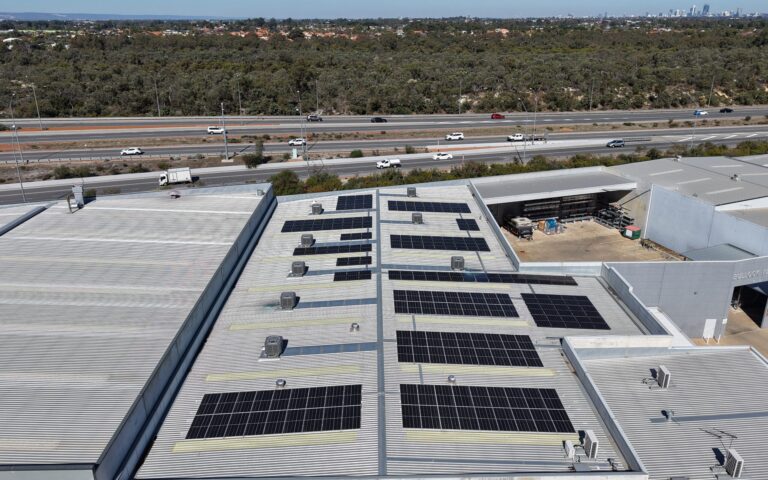
But as energy costs rise and onsite renewable energy becomes more sophisticated, large commercial rooftops are increasingly being viewed as something else: an asset capable of generating energy and potentially creating additional value for the property.
For landlords, property developers and owners of multi-tenanted commercial buildings, solar and battery storage can form part of a broader energy strategy that benefits both the property owner and its occupants.
The opportunity sitting above commercial properties
Warehouses, offices, shopping centres, industrial facilities and other commercial properties can have substantial roof areas that may otherwise provide little direct financial value.
Installing commercial solar creates the opportunity to generate electricity onsite during daylight hours.
For owner-occupied properties, that electricity can help offset electricity purchased from the grid.
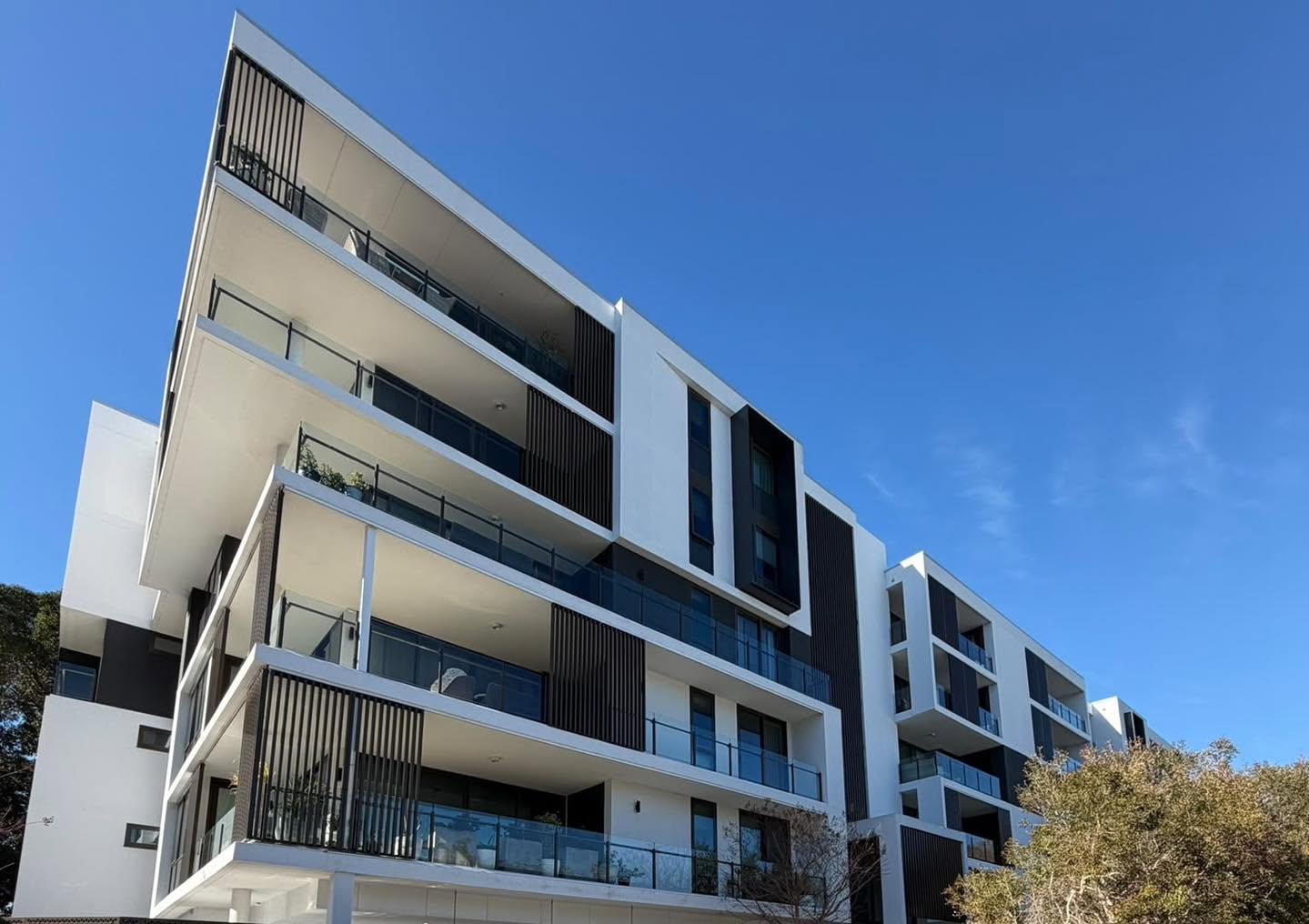
For leased and multi-tenanted properties, the opportunity can be different.
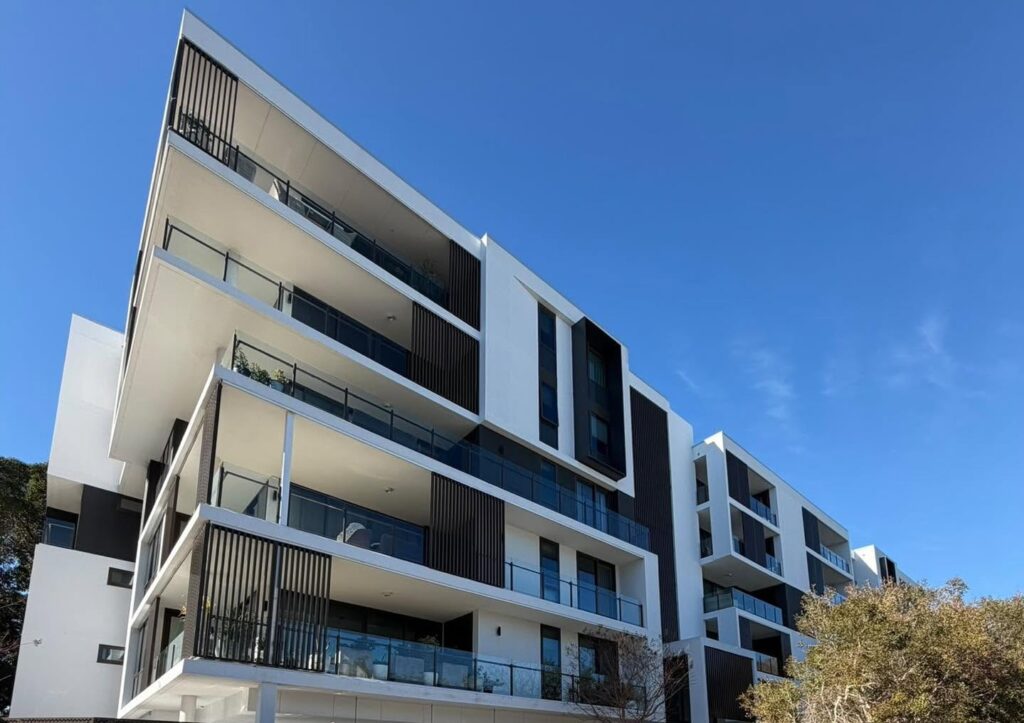
Depending on the property’s electrical infrastructure, metering and commercial arrangements, building owners may be able to supply electricity generated onsite to tenants.
This can create a model where tenants access locally generated renewable electricity while the property owner derives value from the energy infrastructure installed on the building. This type of arrangement is increasingly being explored across commercial property.
Solar can become part of the property’s commercial strategy
Commercial solar doesn’t necessarily need to be viewed purely as a way to reduce an electricity bill.
For property owners, renewable energy infrastructure can become part of the wider strategy for the asset.
A well-designed system may provide opportunities to:
- utilise otherwise unused roof space
- generate electricity onsite
- reduce exposure to grid-supplied electricity
- provide tenants with access to renewable energy
- support sustainability objectives
- strengthen the property’s energy offering
- potentially establish new commercial energy arrangements with tenants.
The appropriate model will depend heavily on the individual property, tenant structure and electricity arrangements.
Why tenants can benefit too
The opportunity isn’t solely for landlords.
Electricity is an ongoing operating cost for commercial tenants.
Where a property owner is able to provide onsite solar electricity to tenants under an appropriate commercial arrangement, tenants may be able to access electricity at a rate below standard retail tariffs while also increasing the proportion of renewable electricity used by their operations.
That creates the potential for an arrangement that delivers value on both sides.
For landlords competing for commercial tenants, energy infrastructure may also contribute to the overall attractiveness of a property, particularly for businesses focused on operating costs and sustainability objectives. EcoGeneration reports that these factors are increasingly influencing commercial occupiers.
Where does battery storage fit?
Battery energy storage adds another dimension.
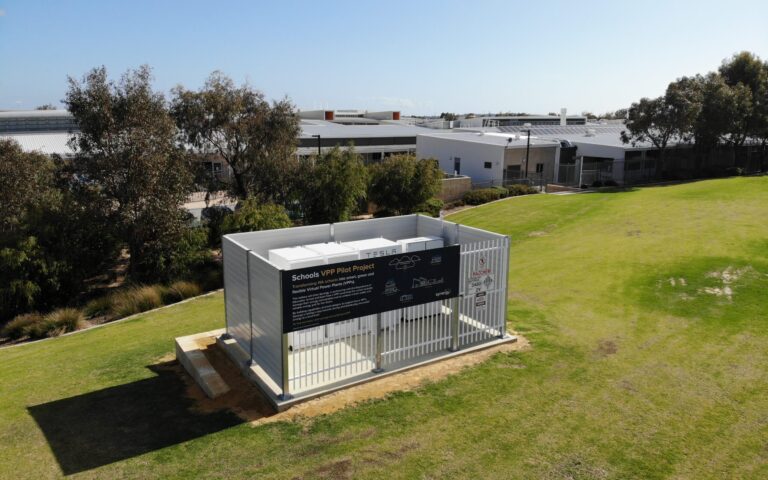
Solar generation is naturally concentrated during daylight hours. If the building cannot use all of that electricity as it is generated, a battery may allow some excess energy to be stored for use later.
This can give property owners greater flexibility over how and when onsite-generated electricity is used.
But adding a battery should not be automatic.
The commercial case needs to consider the property’s load profile, solar generation, tariffs, tenant consumption, electrical infrastructure and the intended purpose of the battery.
For some properties, solar alone may provide the strongest commercial outcome. For others, integrating battery storage may create additional opportunities.
Multi-tenanted properties require careful planning
Supplying energy across a multi-tenanted property is more complex than installing solar on an owner-occupied building.
Before determining what is possible, consideration needs to be given to factors including:
- existing metering arrangements
- individual tenant consumption
- common-area electricity usage
- electrical infrastructure
- solar generation profile
- network requirements
- billing and commercial arrangements
- current and future tenant requirements
- battery storage opportunities
- regulatory requirements.
This is why the conversation should begin with the property and its energy requirements, not simply the number of solar panels that can fit on the roof.
A different way to think about commercial solar
The role of commercial solar is evolving.
For some property owners, the question is no longer simply:
“How much can solar reduce our electricity bill?”
It can also be:
“How can our property generate and use energy more effectively?”
That shift opens up a broader conversation around solar generation, battery storage, tenant energy supply and long-term property strategy.
Large commercial rooftops can represent significant unused space. With the right technical and commercial model, that space has the potential to become productive energy infrastructure.
Could your commercial property generate more value?
Every property is different.
Westsun Energy works with commercial property owners, developers and businesses to assess renewable energy opportunities based on the individual requirements of the site.
Our capabilities extend across feasibility, system design, project planning, procurement, construction and battery energy storage, allowing energy solutions to be considered as part of the broader commercial requirements of a property.
If you own or manage a commercial property and want to understand what solar and battery storage could look like for your site, contact Westsun Energy to discuss your options.
This article provides general information only. The financial, regulatory and technical suitability of solar generation, tenant energy supply and battery storage will depend on the individual property and proposed commercial arrangement. Independent legal, financial and regulatory advice may be required.
Speak With Westsun Energy
The proposed changes could make larger commercial solar systems more accessible than ever before.
If you’d like to understand how the expanded incentives may apply to your business, contact Westsun Energy to discuss a tailored commercial solar solution designed for long-term performance, reliability and value.
Contact Westsun Energy for a Commercial Solar Assessment in Perth or across Western Australia.