Project Overview
Client: Prospero Productions
Project Size: 26.6kW DC Solar
Project Type: Rooftop Commercial Solar System
Location: North Fremantle, Western Australia
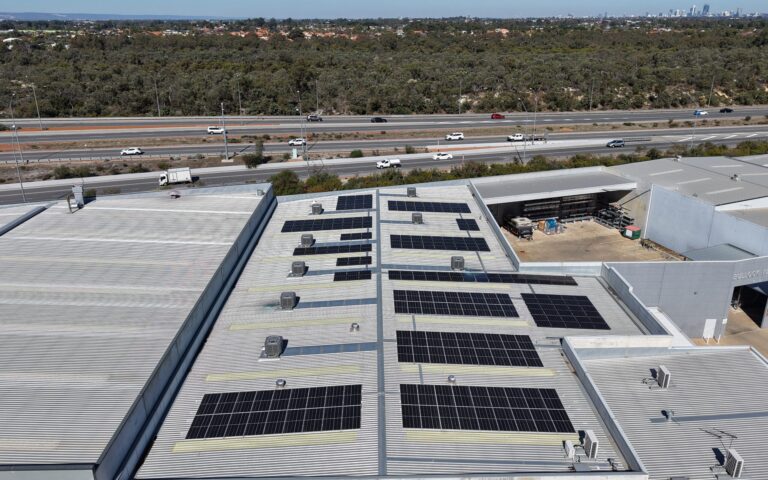
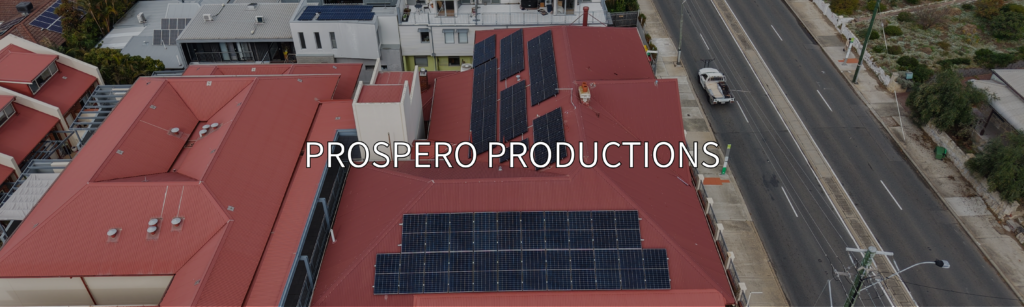
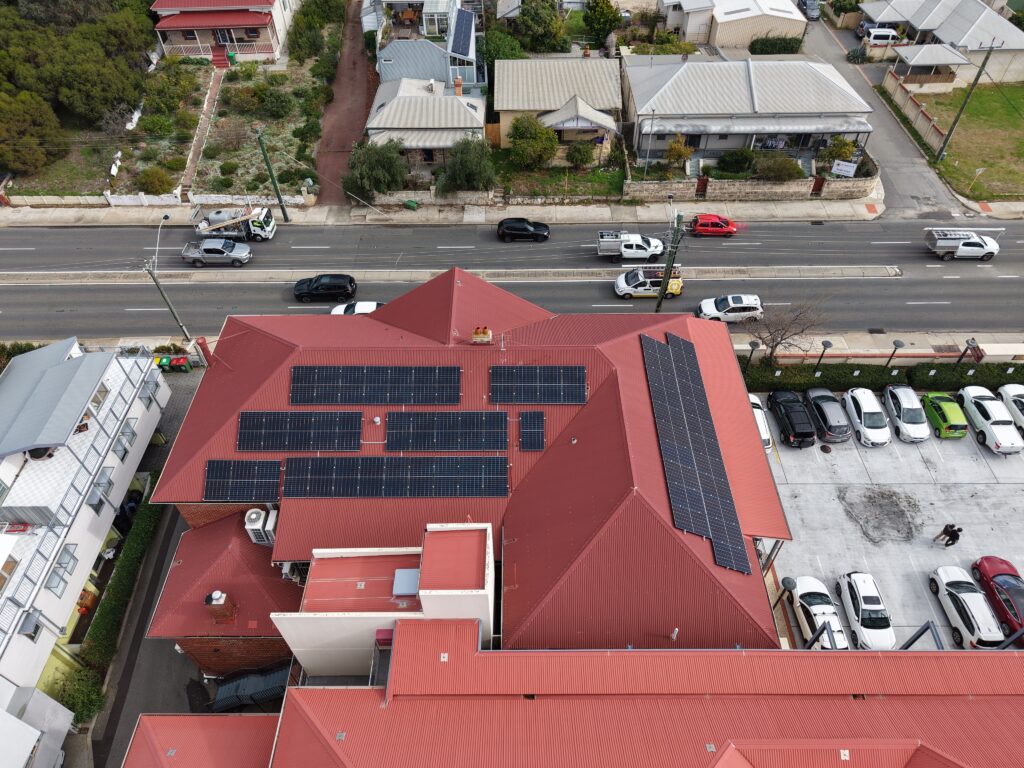
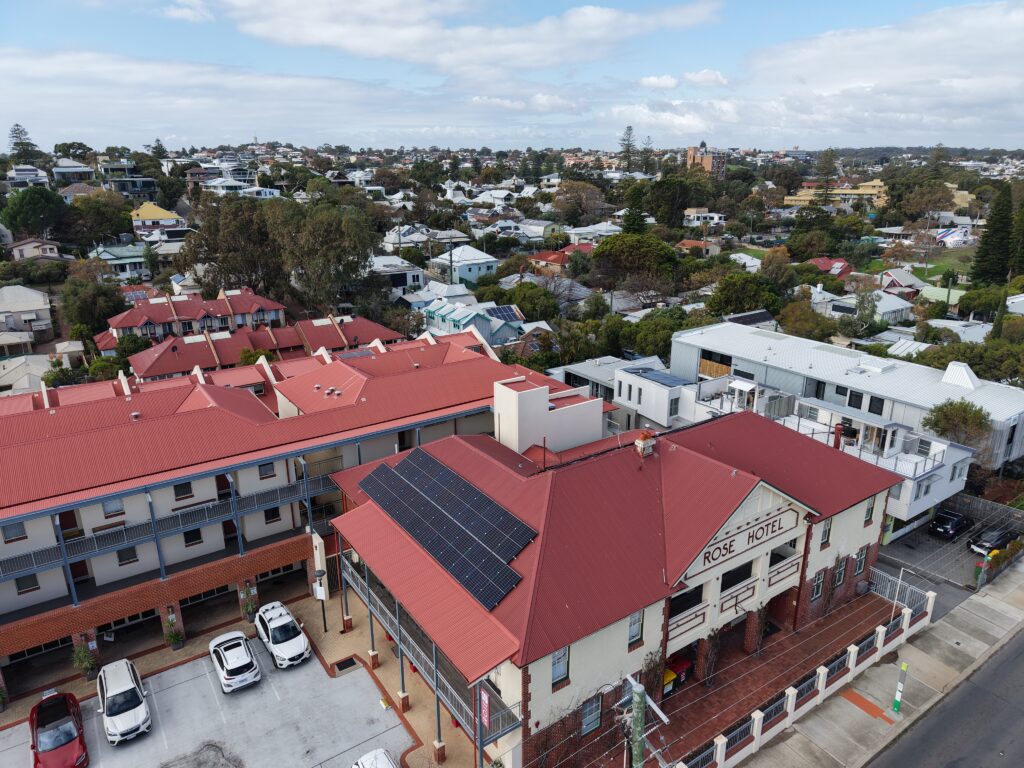
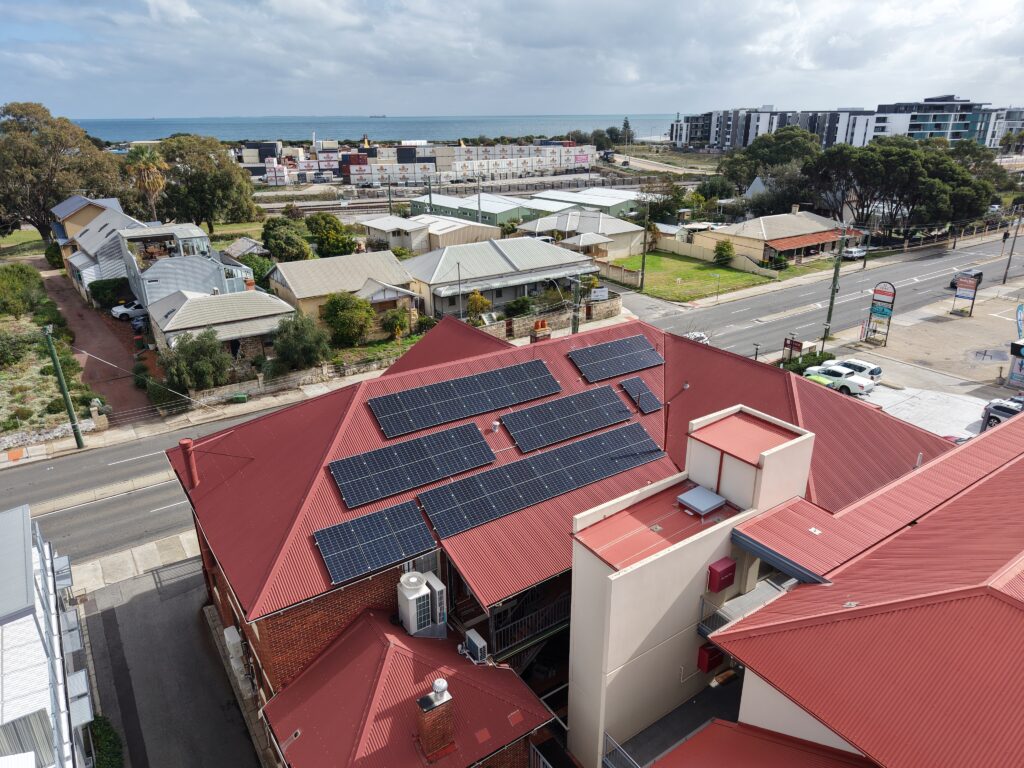
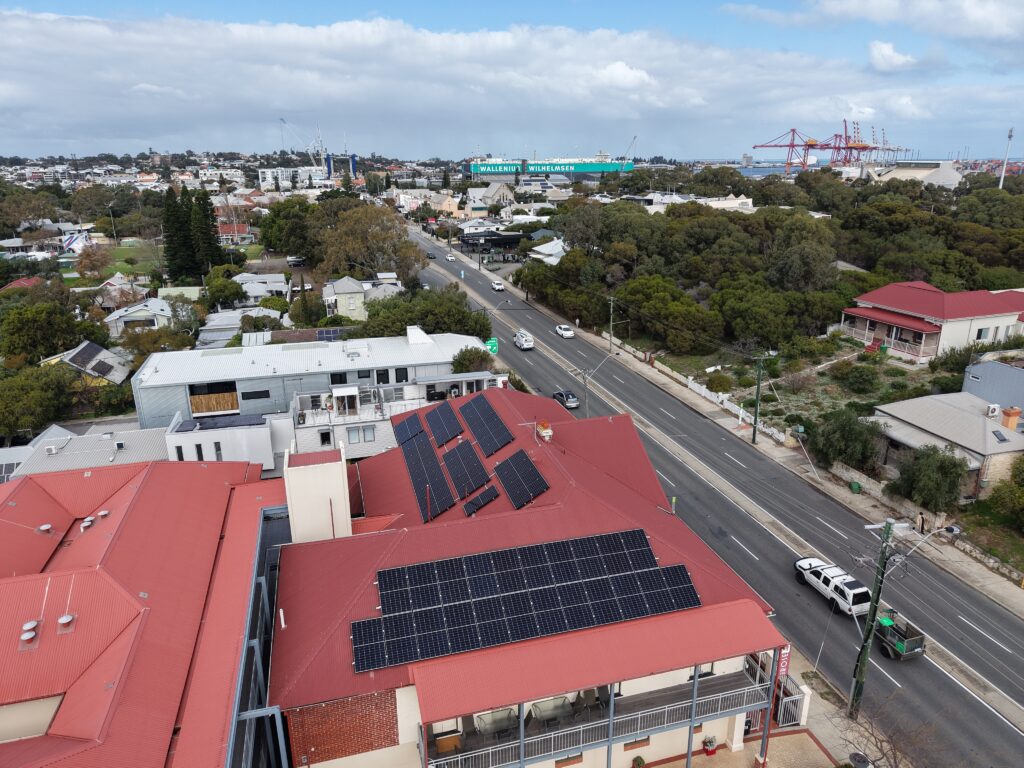
Westsun Energy was engaged to design and install a 26.6kW commercial solar system for Prospero Productions in North Fremantle, WA.
As one of Australia’s leading independent television production companies, Prospero Productions required a reliable renewable energy solution to help reduce electricity costs, improve energy efficiency, and support long-term operational sustainability.
Westsun Energy delivered a tailored system designed to maximise solar generation and provide dependable performance for years to come, helping support the energy needs of a business that has played a significant role in Australia’s television industry.
Challenges
→ Daytime Energy Demand: Designing a system capable of offsetting the electricity consumption associated with production and office activities.
→ System Optimisation: Maximising energy generation within the available roof space.
→ Long-Term Reliability: Selecting proven commercial-grade components suited to Western Australian conditions.
Solution
Westsun Energy engineered and installed a high-performance commercial solar system featuring:
→ 56 × Jinko Solar Tiger Neo Panels: High-efficiency N-Type modules selected to maximise rooftop energy generation.
→ 1 × Fronius Symo 20 Inverter: Delivering reliable three-phase power conversion, advanced monitoring, and long-term performance.
System design focused on:
→ Maximising Energy Production: Delivering strong daytime solar output to offset operational electricity consumption.
→ Reliable Performance: Utilising proven components designed for demanding commercial environments.
→ Long-Term Efficiency: Supporting lower operating costs and sustainable energy generation.
Results & Benefits
→ Solar System Size: 26.6kW DC
→ Solar Panels Installed: 56 × Jinko Solar Tiger Neo modules
→ Inverter: 1 × Fronius Symo 20 inverter
→ Reduced Electricity Costs: Solar generation helps offset daily operational expenses.
→ Improved Energy Efficiency: Supports ongoing business activities with renewable energy.
→ Sustainability Impact: Contributes to reduced carbon emissions and a cleaner energy footprint.
Conclusion